Layered Eggplant Casserole You’ll Make Again
A Mediterranean-Inspired Comfort Dish That’s Healthy, Delicious, and Easy
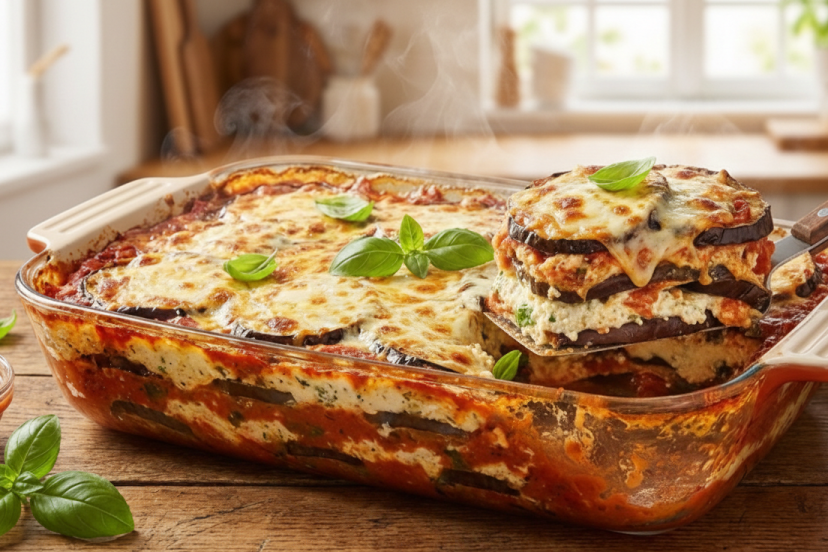
If you’ve been searching for a way to transform eggplant into something truly spectacular, this eggplant casserole is your answer. When baked into a casserole with layers of rich tomato sauce, creamy cheese, and aromatic herbs, eggplant transforms from mild and spongy into silky, meaty, and deeply satisfying. This recipe maximizes eggplant’s natural ability to absorb flavors while maintaining its structural integrity, giving you those perfect, Instagram-worthy slices in every serving.
Casseroles are the unsung heroes of home cooking, and for good reason. They’re forgiving, make-ahead friendly, and actually taste better the next day as flavors meld together overnight. This eggplant casserole checks all those boxes while adding Mediterranean flair that elevates it beyond typical weeknight fare.
Whether you’re meal prepping for the week, feeding a crowd, or just want leftovers that you’ll actually crave, this recipe delivers. The best part? It’s incredibly adaptable to virtually any dietary need. I’ve included modifications for gluten-free, vegan, keto, and diabetic diets below, so no matter your eating style, you can enjoy this dish.
The layering technique I use creates distinct flavor zones, the pre-salting removes bitterness and excess moisture, and the final broil creates those coveted golden-brown edges that make casseroles irresistible.
Did You Know?
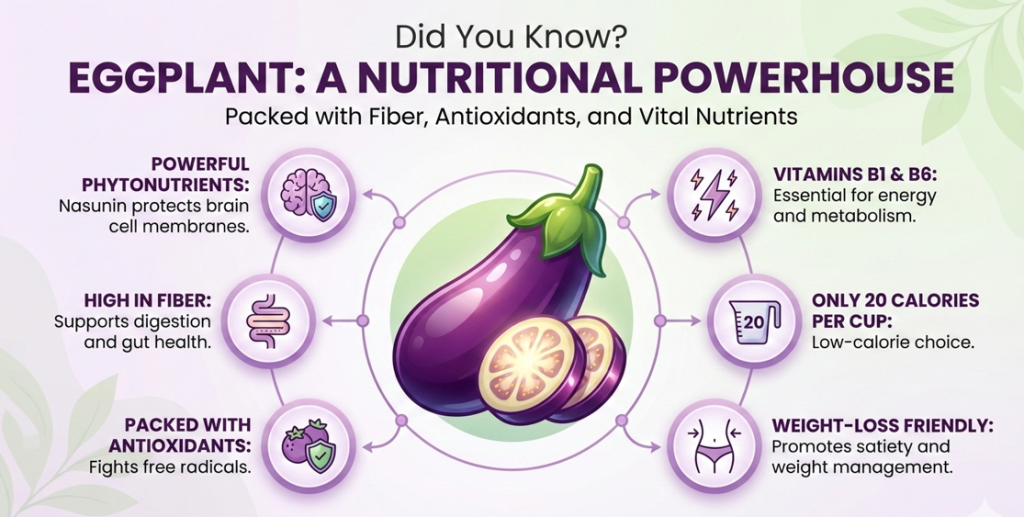
Eggplant is a nutritional powerhouse packed with fiber, antioxidants, vitamins B1 and B6, and powerful phytonutrients like nasunin that protect brain cell membranes. At only 20 calories per cup, it’s one of the most weight-loss-friendly vegetables you can eat.
Eggplant Casserole Recipe Information
| Prep Time | Cook Time | Total Time |
| 20 minutes | 45 minutes | 1 hour 5 minutes |
Servings: 6-8 | Difficulty: Easy
Equipment Needed
- 9×13-inch baking dish (glass or ceramic preferred)
- Large colander or baking sheets with wire racks
- Sharp chef’s knife
- Large skillet or saucepan
- Mixing bowls
- Measuring cups and spoons
- Paper towels or clean kitchen towels
- Aluminum foil
Ingredients for the Eggplant Casserole
For the Eggplant:
- 2 large eggplants (about 2.5-3 pounds total), sliced into ½-inch rounds
- 2 tablespoons kosher salt (for drawing out moisture)
- 3 tablespoons olive oil
For the Sauce:
- 2 tablespoons olive oil
- 1 medium yellow onion, finely diced
- 4 cloves garlic, minced
- 1 (28-ounce) can crushed tomatoes
- 1 (15-ounce) can tomato sauce
- 2 tablespoons tomato paste
- 2 teaspoons dried oregano
- 1 teaspoon dried basil
- ½ teaspoon red pepper flakes (optional)
- 1 teaspoon sugar (to balance acidity)
- Salt and black pepper to taste
For the Cheese Layers:
- 15 ounces whole milk ricotta cheese
- 1 large egg, beaten
- ½ cup freshly grated Parmesan cheese, divided
- 2 cups shredded mozzarella cheese, divided
- ¼ cup fresh basil leaves, chopped
- ¼ teaspoon nutmeg (secret ingredient for depth)
Instructions for the Eggplant Casserole Recipe
- Prepare the eggplant: Slice eggplants into ½-inch rounds. Arrange in a single layer on baking sheets or in a colander. Sprinkle both sides generously with kosher salt. Let sit for 30 minutes to draw out moisture and bitterness. This step is crucial for preventing a watery, bitter casserole.

- Rinse and dry: Rinse eggplant slices thoroughly under cold water to remove salt. Pat completely dry with paper towels or clean kitchen towels. The drier the eggplant, the better it will absorb flavors and maintain texture.
- Make the sauce: Heat 2 tablespoons olive oil in a large skillet over medium heat. Add diced onion and sauté for 5-6 minutes until softened and translucent. Add minced garlic and cook for 1 minute until fragrant. Stir in crushed tomatoes, tomato sauce, tomato paste, oregano, basil, red pepper flakes (if using), and sugar. Season with salt and pepper. Simmer on low heat for 15-20 minutes, stirring occasionally. The sauce should thicken slightly and develop a rich, deep flavor.

- Prepare ricotta mixture: In a medium bowl, combine ricotta cheese, beaten egg, ¼ cup Parmesan cheese, chopped basil, and nutmeg. Mix until smooth and well combined. This binding mixture adds creamy richness between layers.
- Preheat oven: Set oven to 375°F (190°C). Lightly oil your 9×13-inch baking dish.
- Brush eggplant: Lightly brush both sides of dried eggplant slices with olive oil. This helps them brown beautifully and prevents them from drying out.
- Assemble the casserole: Spread ¾ cup of tomato sauce on the bottom of the baking dish. Layer one-third of the eggplant slices, slightly overlapping. Spread half the ricotta mixture over the eggplant. Sprinkle with ⅔ cup mozzarella cheese. Add ¾ cup tomato sauce. Repeat layers: eggplant, remaining ricotta mixture, ⅔ cup mozzarella, ¾ cup sauce. Top with final layer of eggplant. Pour remaining sauce over the top. Sprinkle with remaining mozzarella and remaining ¼ cup Parmesan cheese.
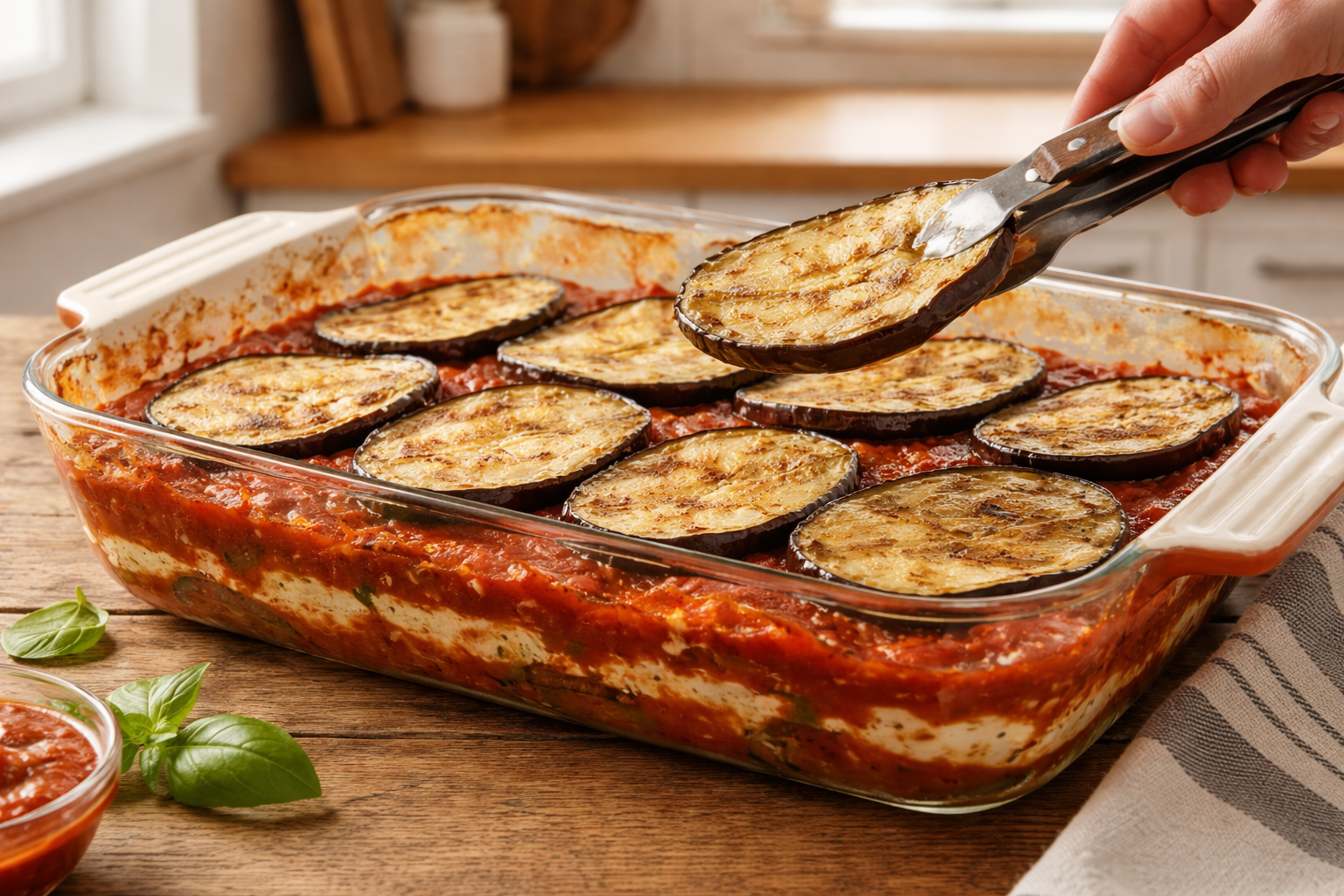
- Bake covered: Cover baking dish tightly with aluminum foil. Bake for 35 minutes. The casserole should be bubbling around the edges.
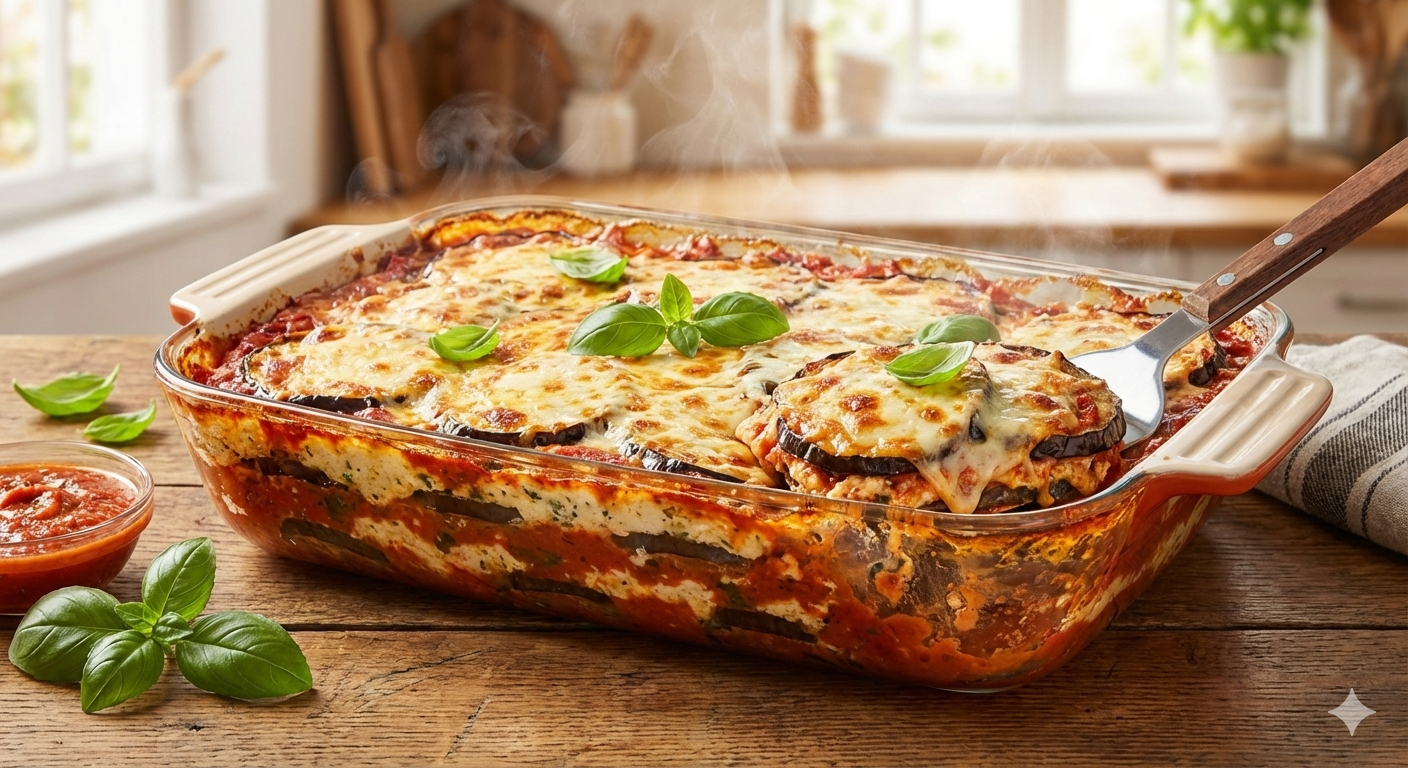
- Finish uncovered: Remove foil and bake for an additional 10 minutes until cheese is melted and golden. For extra browning, broil on high for 2-3 minutes, watching carefully to prevent burning.
- Rest before serving: Let casserole rest for 10-15 minutes before cutting. This allows the layers to set and makes serving much easier. Garnish with fresh basil leaves.
Pro Tips for Perfect Eggplant Casserole
- Don’t skip the salting step. It removes bitterness and excess moisture that would otherwise make your casserole soggy.
- Choose firm, glossy eggplants. Avoid those with soft spots or wrinkled skin. Male eggplants (round bottom dimple) tend to have fewer seeds and less bitterness than female eggplants (oval dimple).
- Make it ahead. Assemble the entire casserole up to 24 hours in advance, cover tightly, and refrigerate. Add 10-15 minutes to baking time if cooking from cold.
- Freeze for later. This casserole freezes beautifully for up to 3 months. Assemble in a freezer-safe dish, wrap tightly in plastic wrap and foil. Thaw overnight in the refrigerator before baking.
- Uniform slices matter. Try to keep eggplant slices the same thickness so they cook evenly. A mandoline slicer makes this easy.
- Boost umami. Add 2 tablespoons of tomato paste to the sauce and a pinch of MSG or anchovy paste for incredible depth.
Nutritional Information (Per Serving)
| Calories | Protein | Carbohydrates | Fat |
| 285 | 16g | 20g | 16g |
| Fiber | Sugar | Sodium | Cholesterol |
| 6g | 9g | 520mg | 55mg |
Based on 8 servings. Values are approximate and may vary based on specific ingredients used.
Storage Instructions
Refrigerator: Store covered in an airtight container or tightly wrapped with plastic wrap and foil for up to 5 days. Reheat individual portions in the microwave for 2-3 minutes or reheat the entire dish covered with foil at 350°F for 20-25 minutes.
Freezer: Wrap tightly in plastic wrap, then aluminum foil, or use a freezer-safe container. Freeze for up to 3 months. Thaw overnight in the refrigerator before reheating. The texture remains excellent after freezing.
Room Temperature: Do not leave at room temperature for more than 2 hours due to dairy content.
Dietary Adaptations for the Eggplant Casserole
Gluten-Free
This recipe is naturally gluten-free as written. Just ensure your tomato products and any add-ins don’t contain hidden gluten. No modifications needed!
Vegan
- Replace ricotta with cashew cream or vegan ricotta (blend soaked cashews with lemon juice, nutritional yeast, and salt)
- Omit the egg or use a flax egg (1 tablespoon ground flaxseed + 3 tablespoons water)
- Use vegan mozzarella and vegan Parmesan or nutritional yeast
- The flavor profile remains delicious with these swaps
Keto/Low-Carb
- Replace crushed tomatoes and tomato sauce with low-carb marinara or make sauce with fresh tomatoes (lower in carbs)
- Omit the sugar from the sauce
- Use full-fat cheeses to increase fat content
- Net carbs per serving will be approximately 12-14g instead of 20g
Diabetic-Friendly
- Use sugar substitute or omit sugar entirely from the sauce
- Choose no-sugar-added tomato products
- Increase the eggplant ratio and reduce cheese slightly to lower overall carbs
- Pair with a large green salad to balance the meal
Dairy-Free
- Use cashew ricotta (recipe above under vegan)
- Substitute dairy-free mozzarella and Parmesan alternatives
- The dish will be slightly less creamy but equally flavorful
Serving Suggestions for the Eggplant Casserole
- Classic Italian: Serve with garlic bread and a crisp Caesar salad
- Light and Fresh: Pair with a simple arugula salad dressed with lemon vinaigrette
- Mediterranean Feast: Accompany with roasted vegetables, hummus, and warm pita
- Protein Addition: Add grilled chicken, Italian sausage, or ground beef to the sauce for a heartier meal
- Wine Pairing: Chianti, Sangiovese, or a medium-bodied red complements the tomato and cheese beautifully
- Garnish Options: Fresh basil, extra Parmesan, red pepper flakes, or a drizzle of balsamic glaze
Conclusion
Whether you’re an eggplant skeptic or a longtime fan, I promise this casserole will become a regular in your rotation. The combination of creamy, savory, and slightly sweet makes it universally appealing, and the fact that it’s packed with nutrients is just a bonus.
Similar recipes
Keto Eggplant Parmesan Recipe (Low-Carb, Vegan)
Eggplant Tofu Recipe (Vegan, Gluten-Free, Healthy)
Gluten-Free Scalloped Potatoes (Creamy & Cheesy)
Irresistible Party Potatoes Recipe | Cheesy & Crunchy
Frequently Asked Questions
1. Do I really need to salt the eggplant first?
Yes! Salting draws out excess moisture and bitterness from the eggplant. Without this step, your casserole can turn out watery and have an unpleasant bitter taste. The 30-minute salting process is essential for the best texture and flavor. Modern eggplants are less bitter than older varieties, but salting still improves the final dish dramatically.
2. Can I use frozen eggplant?
I don’t recommend it. Frozen eggplant tends to become very mushy when thawed because of ice crystal formation that breaks down cell walls. Fresh eggplant gives you the best texture and flavor. However, if you must use frozen, thaw completely, press out as much liquid as possible, and expect a softer final texture.
3. Why is my eggplant casserole watery?
This usually happens when the eggplant wasn’t properly salted and dried, or when the tomato sauce is too thin. Make sure to thoroughly pat the eggplant dry after rinsing, and simmer your sauce long enough to thicken it. Also, letting the casserole rest for 10-15 minutes after baking allows it to set up properly. If you’re still having issues, you can add 2 tablespoons of tomato paste to thicken the sauce or reduce it longer on the stovetop.
4. Can I make this eggplant casserole without ricotta?
Of course! You can make a simpler version by layering eggplant with just tomato sauce and mozzarella, similar to eggplant Parmesan. You can also substitute cottage cheese (drained well and blended until smooth), Greek yogurt mixed with an egg, or the vegan cashew cream mentioned in the dietary adaptations section. Each variation will have a slightly different texture and flavor, but all are delicious.
5. How do I know when the eggplant casserole is done?
The casserole is done when the sauce is bubbling vigorously around the edges, the cheese is completely melted and starting to brown on top, and a knife inserted into the center comes out hot. The eggplant should be tender when pierced with a fork but still hold its shape. If you have a food thermometer, the internal temperature should reach at least 165°F. The resting period after baking is crucial, as the casserole continues to cook slightly and firms up for easier slicing.