Gingerbread Tea: Homemade Holiday Comfort Drink
What Is Gingerbread Tea and Why You’ll Love It
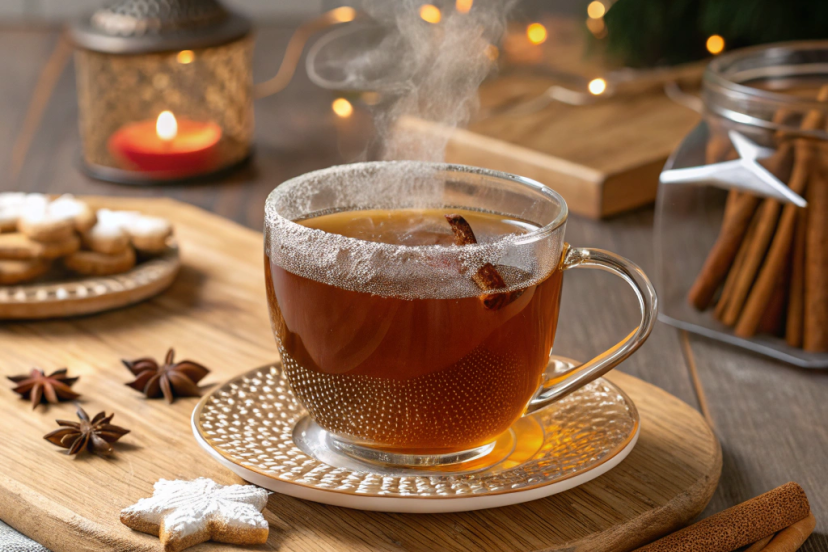
Gingerbread tea is essentially liquid comfort in a mug. It’s a warming infusion that captures all those nostalgic flavors we associate with gingerbread cookies – spicy ginger, sweet molasses, warm cinnamon, and aromatic cloves – but in drinkable form. Unlike regular tea that might leave you wanting something more substantial, gingerbread tea satisfies both your thirst and your craving for something indulgent.
I love this beverage because it’s like having dessert without the guilt. It warms you from the inside out, and honestly, it makes your entire kitchen smell like a holiday bakery. Every time I brew a pot, my neighbors ask what I’m baking!
The Rich History Behind Gingerbread Tea
Ancient Roots of Ginger in Beverages
The story of gingerbread tea begins centuries ago in Asia, where ginger has been used medicinally and culinarily for over 5,000 years. Ancient Chinese and Indian cultures recognized ginger’s warming properties and healing benefits long before it became a holiday staple in the West.
European Gingerbread Traditions
When ginger made its way to Europe via spice traders, it became incredibly expensive – literally worth its weight in gold. Medieval Europeans began incorporating ginger into breads and cookies, creating what we now know as gingerbread. Monasteries in France and Belgium were particularly famous for their gingerbread creations, which they’d serve alongside spiced drinks during winter months.
The tradition of gingerbread tea as we know it today evolved from these medieval spiced beverages called “hippocras” and “wassail.” These warming drinks were served at Christmas markets and winter festivals, bringing communities together during the coldest months. I find it beautiful that when we make gingerbread tea today, we’re participating in a tradition that spans centuries.
Health Benefits That’ll Make You Feel Good About Every Sip
Here’s where gingerbread tea really shines beyond just tasting amazing. I started drinking it for the flavor, but I stayed for the benefits:
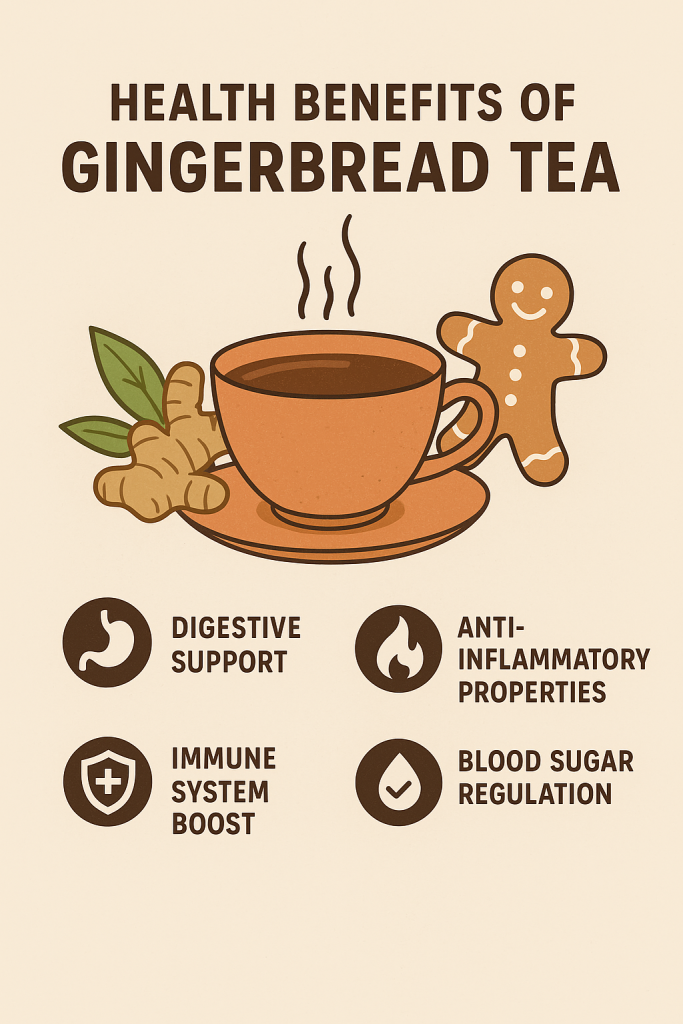
Digestive Support: Ginger is renowned for settling upset stomachs. Whenever I’ve overindulged at dinner, a cup of gingerbread tea works wonders.
Anti-Inflammatory Properties: The combination of ginger and cinnamon provides powerful anti-inflammatory compounds that help reduce joint pain and muscle soreness.
Immune System Boost: Those warming spices aren’t just for show – they contain antimicrobial properties that support your immune system during flu season.
Blood Sugar Regulation: Cinnamon has been shown to help stabilize blood sugar levels, making this tea a smart choice for anyone watching their glucose levels.

My Perfect Gingerbread Tea Recipe
After countless experiments (and a few disasters), I’ve perfected a gingerbread tea recipe that hits all the right notes. Let me walk you through it.
Homemade Gingerbread Tea
Equipment
- Medium saucepan (2-3 quart capacity)
- Fine mesh strainer or cheesecloth
- Teapot or large heat-proof pitcher
- Measuring spoons and cups
- Grater (if using fresh ginger)
- Wooden spoon for stirring
Ingredients
- 4 cups filtered water
- 2- inch piece of fresh ginger root sliced thin
- 3 cinnamon sticks or 1 teaspoon ground cinnamon
- 6 whole cloves
- 1/4 teaspoon ground nutmeg
- 1/4 teaspoon ground allspice
- 3 tablespoons molasses not blackstrap
- 2 tablespoons honey or maple syrup for vegan option
- 2 black tea bags optional, for caffeine
- 1 teaspoon vanilla extract
- Pinch of black pepper trust me on this!
Instructions
- Start by preparing your fresh ginger. I slice it thin rather than grating it – this makes straining easier and provides a cleaner flavor. Don't bother peeling it; the skin adds beneficial compounds.
- In your saucepan, combine the water, sliced ginger, cinnamon sticks, cloves, nutmeg, and allspice. Bring this mixture to a gentle boil over medium-high heat.
- Once boiling, reduce the heat to low and let it simmer for 15 minutes. Your kitchen will smell absolutely incredible at this point. This simmering process extracts all those beautiful flavors and beneficial compounds from the spices.
- After 15 minutes, remove from heat. If you're using black tea bags, add them now and steep for 3-4 minutes. I personally prefer it with tea for a morning pick-me-up, but skip it in the evening.
- Remove the tea bags and stir in the molasses, honey, vanilla extract, and that pinch of black pepper. The pepper enhances the ginger's warmth and helps your body absorb the beneficial compounds – it's a game-changer!
- Strain the mixture through your fine mesh strainer into your teapot or pitcher. Press gently on the spices to extract every last drop of flavor.
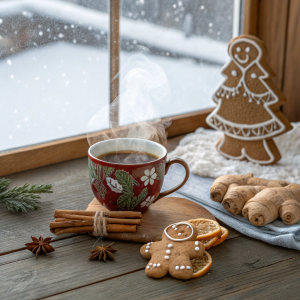
- Serve immediately in your favorite mug. I like to garnish with a cinnamon stick for stirring and a star anise for visual appeal.
Variations to Keep Things Interesting
Creamy Gingerbread Tea Latte
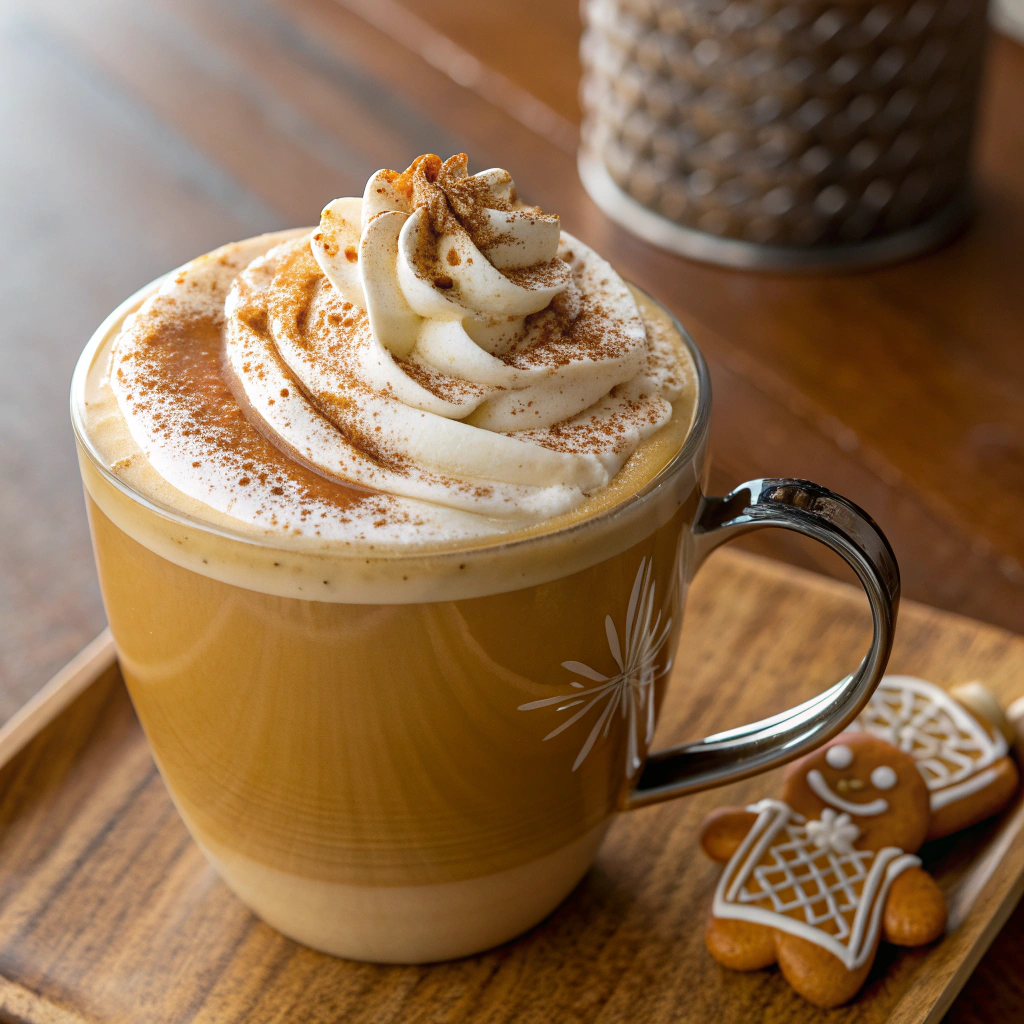
One of my favorite weekend treats is transforming this gingerbread tea into a latte. After straining, add 1/2 cup of steamed milk (dairy or non-dairy) and top with frothed milk. It’s like a gingerbread latte from your favorite coffee shop, but better.
Spicy Gingerbread Chai
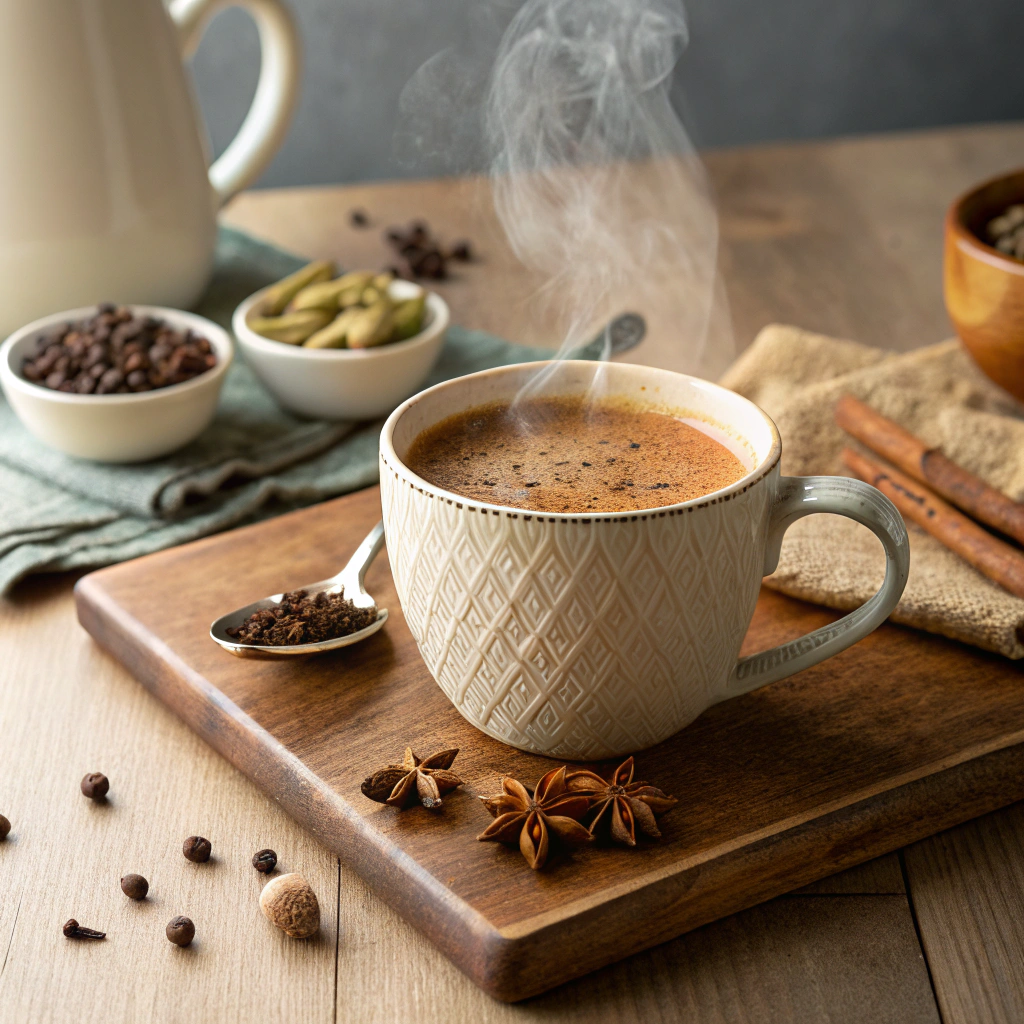
Want more kick? Add 4-5 cardamom pods and increase the black pepper to 1/4 teaspoon. This creates a fusion between gingerbread tea and traditional chai that’s absolutely divine.
Iced Gingerbread Tea for Summer
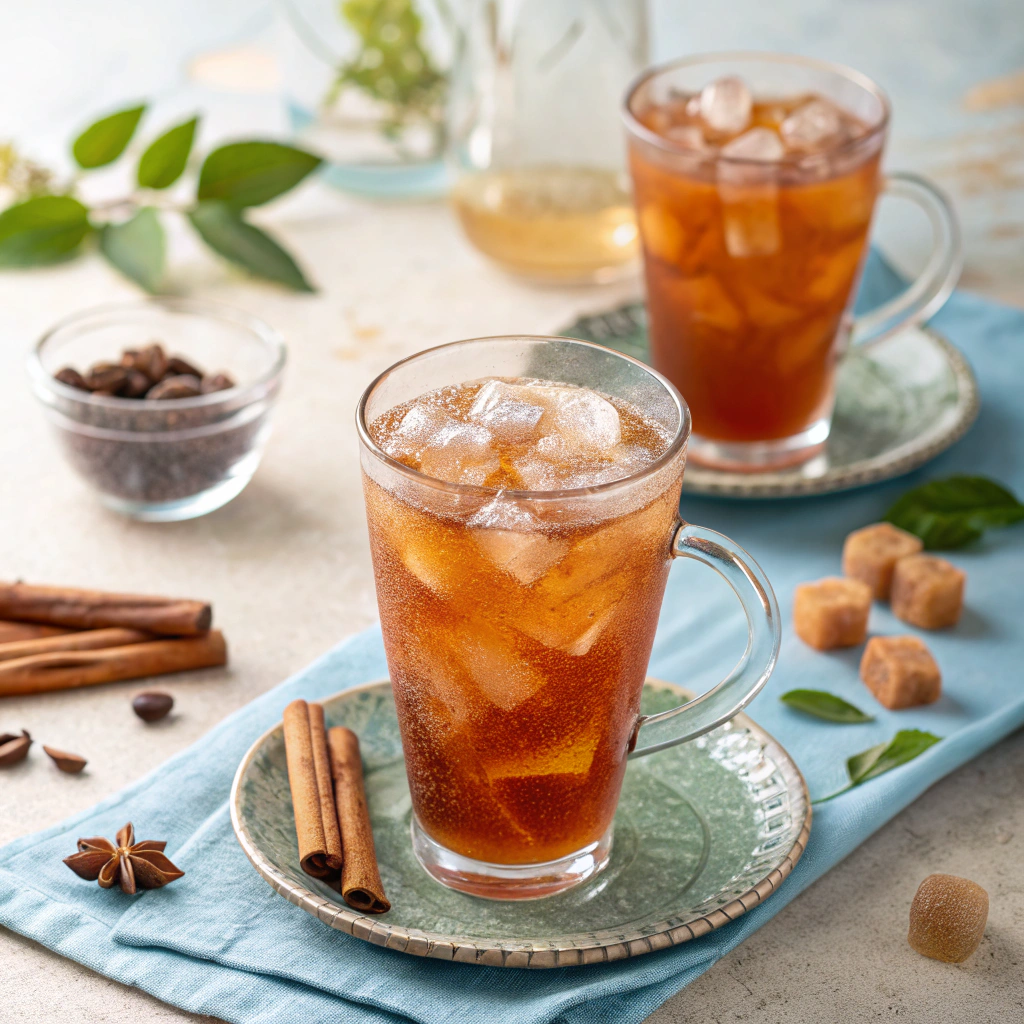
Yes, you can enjoy gingerbread tea in warm weather! I make a concentrated version (use half the water), let it cool completely, then pour over ice with a splash of coconut milk. It’s refreshingly unexpected.
Gingerbread Tea Toddy
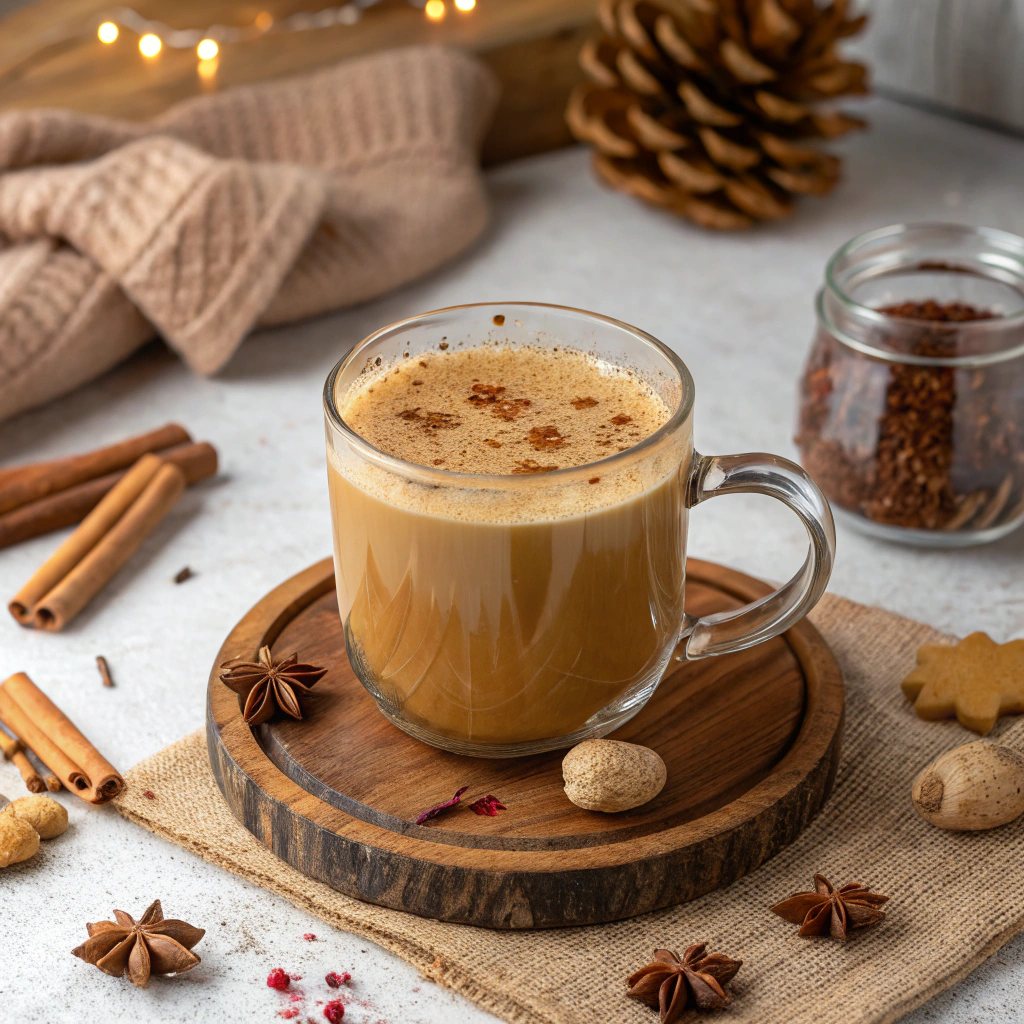
For adult gatherings, add a shot of bourbon or rum to your gingerbread tea along with a pat of butter. This creates a warming cocktail perfect for holiday parties.
Tips for the Perfect Cup Every Time
Through trial and error, I’ve learned these essential tips:
Use Fresh Spices: Whole spices that you grind yourself create dramatically better flavor than pre-ground versions. The difference is night and day.
Don’t Skip the Simmer: That 15-minute simmer time isn’t negotiable. This is when the magic happens and all those flavors meld together.
Adjust Sweetness Gradually: Start with less sweetener than you think you need. You can always add more, but you can’t take it away. I’ve learned this lesson the hard way!
Store Spices Properly: Keep your spices in airtight containers away from light and heat. Fresh spices make fresh-tasting gingerbread tea.
Make It in Batches: This gingerbread tea recipe keeps beautifully in the refrigerator for up to 5 days. I make a big batch on Sunday and reheat individual servings throughout the week.
Serving Suggestions That Elevate the Experience
Gingerbread tea is wonderful on its own, but pairing it thoughtfully makes it even better. Here are my favorite combinations:
Morning: Serve alongside buttered toast with cinnamon sugar or a warm croissant. The richness complements the spiced tea perfectly.
Afternoon: Pair with shortbread cookies, biscotti, or scones. I’m particularly fond of cranberry scones with gingerbread tea.
Evening: Enjoy with a small piece of dark chocolate. The bitterness of the chocolate contrasts beautifully with the sweet, spicy tea.
Holiday Gatherings: Serve in a large punch bowl with orange slices floating on top. Add cinnamon sticks as stirrers for guests.
Add-Ons and Toppings to Try
Whipped Cream: A dollop of lightly sweetened whipped cream turns gingerbread tea into a decadent treat. I sometimes add a pinch of cinnamon to the cream.
Citrus Zest: A curl of orange or lemon zest adds brightness that cuts through the richness.
Marshmallows: Because sometimes you need to embrace your inner child! Mini marshmallows work best.
Crystallized Ginger: A piece of crystallized ginger as garnish adds extra ginger punch and looks elegant.
Coconut Cream: For dairy-free richness, a spoonful of coconut cream creates a luxurious texture.
Common Mistakes to Avoid
Let me save you from the mistakes I’ve made:
Using Blackstrap Molasses: I tried this once. Never again. It’s too bitter and overpowering. Stick with regular or mild molasses.
Boiling Too Vigorously: A gentle simmer is key. Rapid boiling can make the gingerbread tea taste bitter and harsh.
Over-Steeping Tea Bags: If using black tea, don’t exceed 4 minutes. Over-steeped tea becomes astringent and unpleasant.
Not Straining Properly: Those spices need to be completely removed. I’ve found that a fine mesh strainer lined with cheesecloth works best.
Why Gingerbread Tea Belongs in Your Winter Routine
Beyond the obvious deliciousness, gingerbread tea has become a ritual that marks my transition into cozy season. There’s something about the process – selecting the spices, watching the water turn golden, inhaling that intoxicating aroma – that forces you to slow down. In our hectic lives, gingerbread tea demands patience, and that’s exactly what makes it so valuable.
I’ve also found it’s an incredible conversation starter. When friends visit and I serve them homemade gingerbread tea, they’re always amazed. It feels special and intentional in a way that store-bought beverages simply can’t match.
Storing and Reheating Your Gingerbread Tea
Practical matters are important too! Here’s how I handle leftovers:
Store strained gingerbread tea in an airtight container in the refrigerator for up to 5 days. I use glass mason jars because they don’t retain flavors.
To reheat, warm gently on the stovetop or in the microwave. Avoid boiling it again, as this can alter the flavor profile. I typically heat individual servings in the microwave for 90 seconds, stirring halfway through.
You can also freeze gingerbread tea in ice cube trays and add the cubes to regular tea for a hint of gingerbread flavor, or blend them into smoothies for a winter twist.

Conclusion
Gingerbread tea has transformed my winter experience from something to endure into something to savor. What started as a desperate attempt to stay warm in a cold apartment has become a beloved ritual that I look forward to every year. The combination of warming spices, natural sweetness, and genuine health benefits makes this beverage so much more than just another hot drink.
I encourage you to try making gingerbread tea this week. Don’t wait for a special occasion – Tuesday evening is special enough. Experiment with the variations, adjust the sweetness to your preference, and make it your own. The beauty of homemade gingerbread tea is that there’s no wrong way to enjoy it.
Whether you’re curled up with a good book, hosting friends, or simply need a moment of warmth on a cold day, gingerbread tea delivers. It’s become my winter love language, and I have a feeling it might become yours too.
Related Tea Articles & Recipes:
If you are a tea lover like me, then you should read:
How To Make Lychee Jelly For Bubble Tea Step-By-Step
Ginseng Tea vs Green Tea: Which One Should You Choose?
From Japan to Your Mug: The Best Green Teas You Need to Try
Soursop Leaf Tea: A Natural Elixir for Health and Wellness
Moringa Leaf Tea: The Superfood in Your Cup
Frequently Asked Questions
1. Can I use ground ginger instead of fresh ginger in my gingerbread tea?
Yes! While fresh ginger provides the most vibrant flavor, you can substitute 1-2 teaspoons of ground ginger for the fresh ginger root. Add it with the other spices at the beginning of simmering. Keep in mind that ground ginger is more concentrated, so start with less and adjust to taste. I’ve made excellent gingerbread tea both ways, though fresh ginger does create a brighter, more complex flavor profile.
2. Is gingerbread tea caffeinated?
That depends on whether you add black tea bags! The base recipe without tea is completely caffeine-free, making it perfect for evening enjoyment. When I want a morning energy boost, I add two black tea bags during the final steeping stage. You can also use green tea for a lighter caffeine content, or herbal tea for additional flavor without caffeine.
3. How can I make gingerbread tea less sweet?
Simply reduce or omit the honey and use less molasses – I’d recommend starting with just 1 tablespoon of molasses for a less sweet version. The spices themselves provide plenty of flavor. You can also increase the ginger slightly for more spicy warmth, which balances sweetness naturally. Remember, you can always add sweetness after tasting, but you can’t remove it!
4. Can children drink gingerbread tea?
Yes! Gingerbread tea is generally safe for children, especially the caffeine-free version without black tea. However, I’d recommend reducing the amount of ginger slightly for young children, as it can be quite spicy. You might also want to increase the sweetness a bit to make it more kid-friendly. My nieces love it with extra honey and a marshmallow on top!
5. What’s the best way to serve gingerbread tea at a holiday party?
For parties, I make a large batch (triple the recipe) and keep it warm in a slow cooker set on low. This allows guests to serve themselves throughout the event. I set up a toppings bar with whipped cream, cinnamon sticks for stirring, star anise for garnish, and orange slices. For an adult gathering, you can also offer bourbon or rum as optional additions. Present it in festive mugs with recipe cards so guests can recreate it at home – it always becomes the talk of the party!